Retro Neon Digital Papers: A Vibrant Toolkit for Modern Creators
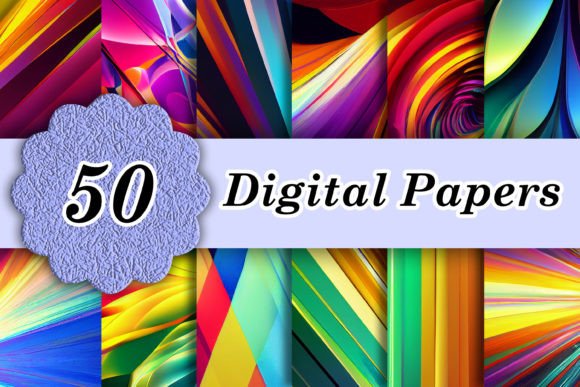
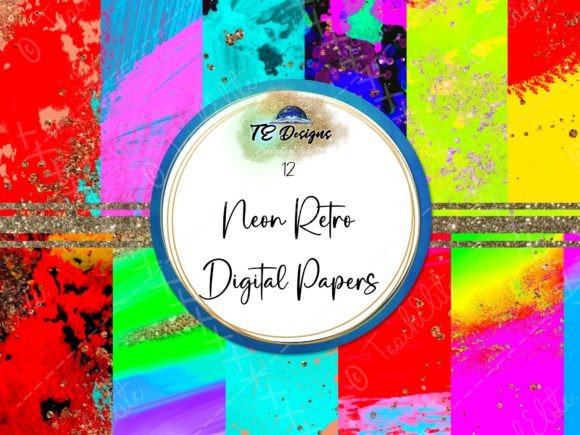
Capturing the electric energy of a 1980s arcade or a Miami Vice sunset doesn't require a time machine. It requires the right design assets. Retro Neon Digital Papers offer a direct line to that nostalgic, high-impact aesthetic. These aren't just generic backgrounds; they are carefully crafted textures designed to evoke the glow of neon signs against dark cityscapes or the vibrant pulse of a synthwave soundtrack. The collection, featuring 12 distinct neon retro background digital papers, provides a versatile palette for projects that need to stand out with a bold, confident personality.
Understanding the Retro Neon Aesthetic
The visual language of this collection is unmistakable. Think of the sharp, luminous lines of neon tubing, the soft bloom of light against a textured surface, and the deep, moody contrasts that make the colors pop. The palette leans into the iconic: shocking pink, electric orange, vibrant purple, and accents of gold and glitter. This isn't a subtle, watercolor pastel vibe. It's a glam, high-energy style that commands attention. The "retro" element comes from the specific color combinations and the implied texture, reminiscent of vintage posters and album covers, while the "neon" aspect injects a modern, digital sharpness.
The personality of these papers is confident, playful, and slightly rebellious. They work exceptionally well for projects targeting audiences who appreciate vintage culture, gaming, music, or futuristic themes. The overall appeal lies in their ability to instantly establish a specific mood—whether it's the nostalgic warmth of a remembered decade or the cool edge of a cyberpunk future. For a brand identity or logo design, using a retro neon element can signal innovation, creativity, and a willingness to break from the mundane.
Practical Applications Across Creative Fields
The true value of these digital papers lies in their adaptability. They are not a one-trick pony. Consider these real-world applications:
- Digital & Web Design: They make stunning slide backgrounds for presentations, especially for morning slides or themed resources in educational or corporate settings that want to energize a topic. For web design, they can serve as hero section backgrounds, blog post headers, or accent elements for a tech or entertainment-focused site.
- Social Media & Marketing: In the fast-scrolling world of social feeds, a retro neon background is a thumb-stopper. Use them for Instagram story backgrounds, Facebook cover images, or as the foundation for eye-catching social media graphics promoting an event, product launch, or sale.
- Print & Packaging: The high-resolution quality makes them suitable for editorial design in magazines, zines, or book covers in the sci-fi or thriller genres. They can also inform packaging design for products targeting a young, trendy demographic—think specialty beverages, tech accessories, or cosmetics.
- Crafting & Personal Projects: For hobbyists and crafters, these are perfect for creating custom phone wallpapers, scrapbooking elements, party invitations, or printable art. The commercial use license expands this further, allowing small business owners to create branded merchandise like posters, tote bags, or stickers.
Integrating Neon into Your Design Workflow
Using such a powerful visual element effectively requires some strategy. Here’s how to approach it for maximum impact.
Evaluate Project Fit First. Ask: Does the core message of my project align with energy, nostalgia, or futurism? A retro neon style might clash with a project requiring serene minimalism or corporate austerity. It shines for creative, entertainment, lifestyle, and youth-oriented brands.
Master Font Pairing. The background sets the stage; the typography delivers the message. A bold, clean sans serif font often provides excellent contrast against the busy, luminous background, ensuring readability. Alternatively, a sleek script font or a handwritten font can add a personal, artistic touch. Avoid overly ornate or thin serif fonts that might get lost in the glow. The goal is visual hierarchy—the background should support, not overwhelm, the text.
Consider Readability and Consistency. When overlaying text, use solid color blocks, subtle gradients, or text shadows to create a readable zone. For brand identity work, consistency is key. Select one or two papers from the set to become recognizable elements in your visual language, using them across your website, social profiles, and print materials to build recognition.
Leverage the Commercial License. The included commercial use permission is a significant asset. It means you can confidently use these papers in client work, products for sale, and business marketing materials. This transforms them from a personal hobby item into a professional design asset for your toolkit.
Ultimately, Retro Neon Digital Papers are more than just colorful backgrounds. They are a mood board in a file, a shortcut to a specific and powerful aesthetic. By understanding their personality and applying them thoughtfully, you can inject a vibrant, memorable energy into a wide range of creative and commercial projects, from web design to packaging, and everything in between.