Unlocking Creativity with 100 Abstract Watercolor Digital Papers
Every designer hits a wall eventually. You're working on a brand identity project, a social media campaign, or maybe a personal journal layout, and the background feels flat. Stock photos look generic. Solid colors lack depth. You need something that carries texture, warmth, and visual interest without overwhelming the content sitting on top of it. That's exactly where a collection like 100 Abstract Watercolor Digital Papers earns its place in your design toolkit.
What Makes These Abstract Watercolor Backgrounds Stand Out
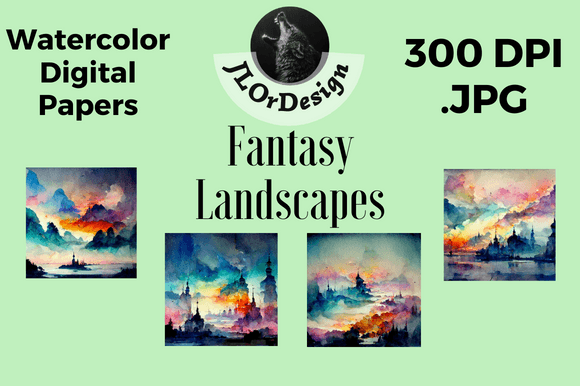
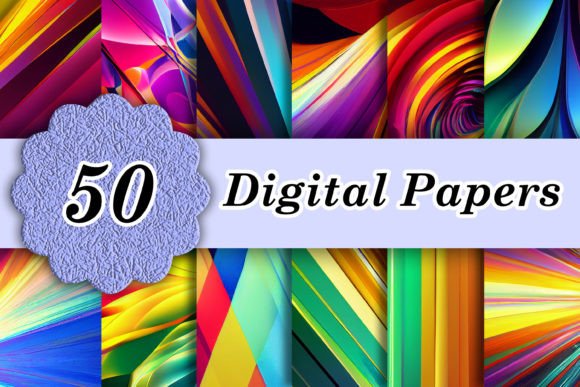
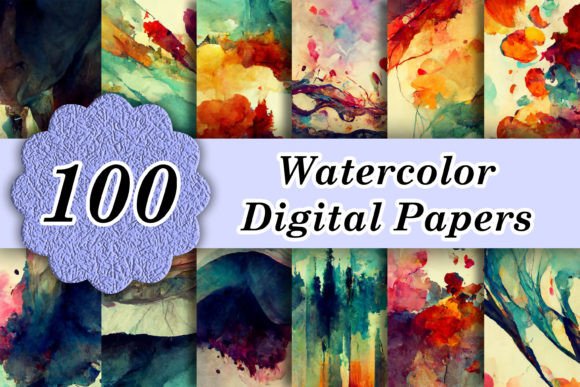
These aren't your grandmother's watercolor paintings. The abstract quality here matters. Instead of recognizable subjects like flowers or landscapes, each of the 100 files delivers loose, expressive washes of color that bleed, blend, and bleed into each other with organic unpredictability. Some pieces lean into soft pastels—muted lavenders bleeding into sage greens, pale coral dissolving into cream. Others go bold: deep indigo splashing against burnt orange, teal crashing into magenta. The personality shifts from piece to piece, which is precisely the point of having 100 variations.
At 3600 x 3600 pixels and 300 DPI, these aren't throwaway textures. They're print-ready at 12 inches square, which means you can use them for physical products, large-format prints, and high-resolution digital work without worrying about pixelation or quality loss. The JPG format keeps file sizes manageable while preserving the subtle gradations and paper-like textures that make watercolor backgrounds feel authentic.
Where Abstract Watercolor Backgrounds Actually Work Best
I've seen designers use watercolor textures everywhere, and honestly, some of those choices miss the mark. A heavily textured watercolor behind dense body copy? That's a readability disaster. But used thoughtfully, these backgrounds become incredibly versatile design assets.
Brand Identity and Logo Design
For brands that want to communicate warmth, creativity, or artisanal quality, abstract watercolor backgrounds work beautifully as secondary brand elements. Think about a boutique bakery's business cards, a wellness coach's website hero section, or a children's book author's promotional materials. The organic texture signals authenticity in ways that clean geometric patterns simply can't. Pair one of these backgrounds with a clean sans serif font for your headline and a readable serif font for supporting text, and you've got a visual system that feels professional without being sterile.
Social Media Graphics and Content Creation
This is probably the most practical application for most people reading this. Instagram posts, Pinterest pins, Facebook headers, YouTube thumbnails—content creators constantly need fresh backgrounds that stop the scroll. A watercolor abstract background gives your quote graphics, announcements, and promotional posts visual depth. Because the collection includes 100 variations, you can rotate through them and maintain visual consistency without your feed looking repetitive. That's a real problem when you're using the same three stock backgrounds every week.
Publishing and Editorial Design
Book covers, magazine feature pages, newsletter headers, and e-book layouts all benefit from backgrounds that add atmosphere. Abstract watercolor papers work particularly well for genres like poetry collections, self-help books, creative nonfiction, and lifestyle publications. The key is choosing pieces with enough contrast to let your typography breathe. A pale watercolor wash behind dark text reads cleanly. A medium-tone background might need a text box with slight opacity or a contrasting overlay to maintain legibility.
Packaging Design and Print Products
Small business owners creating product labels, thank-you cards, stickers, or packaging inserts will find real value here. Watercolor textures photograph well, print accurately at 300 DPI, and give handmade products a cohesive, professional appearance. If you're selling on Etsy or running a small product line, having access to 100 unique backgrounds means your packaging can evolve across product launches without losing that recognizable aesthetic thread.
How to Choose the Right Piece from the Collection
Not every watercolor paper in this set will suit every project, and that's expected. Here's how I'd approach selecting the right one.
Start with your color palette. If your brand uses muted, earthy tones, filter through the collection for pieces that echo those hues. If your project calls for energy and vibrancy, look for the bolder, higher-contrast options. The abstract nature means the colors aren't tied to specific imagery, so you have flexibility in interpretation.
Consider the mood you're building. Soft, diffused washes create calm and sophistication. Splattered, textured pieces feel energetic and spontaneous. Blended gradients suggest modernity. Knowing what emotional register your project needs will narrow your options quickly.
Test readability before committing. Drop your actual text onto the background at the size it'll appear in the final product. If you're squinting, the background is competing with your content. Add a semi-transparent overlay, a text box, or choose a lighter piece from the collection. Good design assets work with your content, not against it.
Working with Digital Papers in Your Design Process
These files arrive in a .zip format, which is standard for design assets distributed online. Extract them into an organized folder system—I'd suggest sorting by color family or mood so you can locate what you need without scrolling through 100 thumbnails mid-project.
For digital projects, import them directly into your design software. In Canva, upload them as backgrounds. In Adobe Illustrator or Photoshop, place them as layers and adjust opacity, blend modes, or color overlays to match your brand identity. In Figma or Affinity Designer, the same workflow applies. The JPG format is universally compatible, so you won't run into software limitations.
For print projects, maintain the original 300 DPI resolution. If you're scaling up beyond 12 inches, consider tiling the pattern or using it as a partial background element rather than stretching it. Quality matters in print, and these files are built to deliver it.
Building Consistency Across Projects
One challenge with using textured backgrounds is maintaining brand consistency. If you're a business owner or content creator, you don't want every piece to look random. The advantage of a 100-piece collection is that you can select a subset—maybe five to ten pieces with similar color palettes and texture intensity—and use those as your core background set. This gives you variety without visual chaos. Your audience starts recognizing your aesthetic, which builds brand identity over time.
Font pairing matters here too. Watercolor backgrounds are inherently expressive, so your typography should provide structure and clarity. A modern sans serif font keeps things contemporary. A classic serif font adds elegance. Avoid overly decorative script fonts or handwritten fonts competing with the background's organic energy—unless you're deliberately going for a maximalist, artistic look.
The real value of these 100 Abstract Watercolor Digital Papers lies in their flexibility. They're not locked into one style or one use case. Whether you're designing a wedding invitation, building a course workbook, creating merchandise mockups, or refreshing your social media presence, having a library of high-quality, print-ready abstract watercolor backgrounds means you spend less time searching for assets and more time actually designing. That's a practical advantage any creative professional can appreciate.