Watercolor World Maps: A Designer’s Guide to Stylish Cartography
The Charm of Transparent, Hand-Painted Design Assets
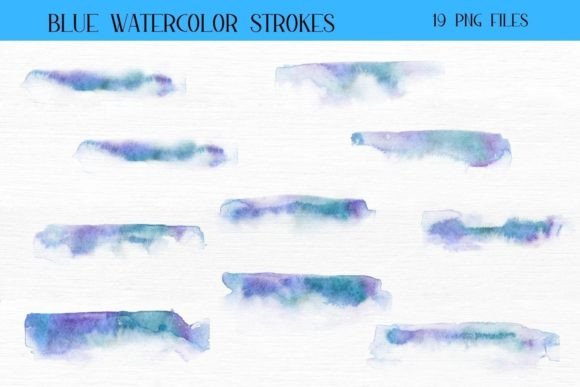
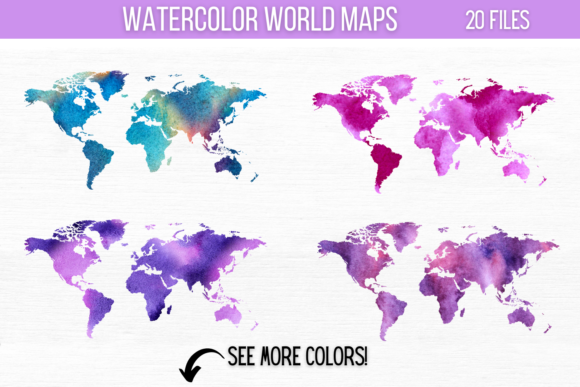
There is a distinct tactile quality to watercolor that digital design often lacks. The way pigment bleeds into paper, the uneven edges of a brushstroke, and the varying opacity of the washes create an aesthetic that feels organic and human. This is precisely the appeal of these specific Watercolor World Maps. Unlike rigid vector graphics or flat illustrations, these assets bring a sense of movement and artistic flair to your projects. They are not just static images; they are digital representations of traditional artistry, designed to integrate seamlessly into modern workflows.
One of the most critical features of this collection is the transparent background. In the world of digital scrapbooking and graphic design, transparency is a game-changer. It means the watercolor washes and continent shapes are not trapped inside a white box. When you place these graphics over a textured background—like parchment paper, a linen canvas, or a subtle grain—the texture shines through the lighter areas of the watercolor, just as it would with real paint on paper. This allows for a level of realism that is difficult to achieve with standard stock images. You are essentially layering digital ink onto digital paper, creating a depth that engages the viewer immediately.
Visual Style and Project Fit
The visual personality of these maps is defined by their soft edges and rich color saturation. They function beautifully as a "display" element, meaning they are designed to catch the eye rather than convey dense statistical data. If you are working on a project that requires a sense of adventure, wanderlust, or artistic sophistication, these assets are an ideal fit. They possess a modern typography aesthetic when paired with the right fonts, bridging the gap between classic cartography and contemporary design trends.
For entrepreneurs and small business owners, the versatility here is immense. Consider the impact of a watercolor map on packaging design. If you sell coffee, tea, spices, or travel accessories, using these maps on your labels or wrapping can instantly communicate the origin of your products or the global nature of your brand. It adds a layer of premium quality to the visual identity without requiring you to hire a custom illustrator. Similarly, for bloggers and content creators, these images serve as excellent background elements for text overlays. Because the colors can be vibrant yet soft, they provide enough contrast for white or dark typography to remain legible, which is a common struggle in web design and social media graphics.
Practical Applications and Creative Scenarios
The utility of a 20-piece collection of 8" x 10" maps extends far beyond simple decoration. Because the files are high-resolution (300 dpi), they are suitable for both screen and print applications. You do not need to worry about pixelation when scaling them up for wall art or large signs. This resolution ensures that the fine details of the watercolor texture remain crisp, maintaining the professional standard required for commercial projects.
Let’s look at specific scenarios where these assets shine. For educators and those creating gifts for teachers, the applications are straightforward and impactful. Imagine creating a custom mug or a t-shirt for a geography teacher. A watercolor map print offers a sophisticated alternative to cartoonish or overly literal illustrations. It feels thoughtful and curated. For publishers and editorial designers, these maps can serve as chapter headers in travel memoirs or background elements in magazine layouts, adding a thematic anchor to the page layout without overwhelming the written content.
Furthermore, the "planner printable" and "journal card" market is booming. Digital planning enthusiasts look for unique stickers and dividers that stand out. A small, cropped section of a watercolor map—perhaps focusing on a specific continent—makes for a beautiful journal card or a functional bookmark within a digital notebook. The transparent PNG format ensures that when you paste these into your planning software, they blend into the page design rather than looking like a cut-out sticker pasted on top.
Integrating Maps into Brand Identity
When building a brand identity, consistency is key, but so is distinctiveness. Many brands fall into the trap of using the same generic stock photography. By incorporating Watercolor World Maps into your visual language, you create a unique texture that can be used across multiple touchpoints. You might use a full map for your website's "About Us" page to highlight your global reach, and then use a cropped, abstract section of that same map as a subtle background texture for your business cards or letterheads.
This approach creates a cohesive visual narrative. It suggests that your brand is creative, open-minded, and detail-oriented. It works particularly well for brands in the wellness, travel, education, and creative industries. However, it can also be used effectively by corporate entities looking to soften their image or add a "human touch" to their marketing materials. The key is to treat these graphics not just as pictures, but as texture and pattern elements that contribute to the overall mood of the design.
Technical Considerations for Designers
From a technical standpoint, working with transparent PNGs is straightforward for most designers, but there are a few best practices to keep in mind. First, always ensure your software supports layers. Whether you are using Adobe Photoshop, Illustrator, Canva, or Procreate, you will want to place the watercolor map on its own layer above your background texture. This allows you to adjust the opacity or blend modes (such as "Multiply" or "Overlay") to achieve different effects.
Second, consider the color theory behind your composition. Watercolor maps often come in specific palettes. If the maps in this collection feature cool blues and greens, they will pair well with neutral backgrounds like beige, kraft, or soft grey. If you are placing text over the map, pay attention to the value (lightness or darkness) of the watercolor in that specific area. You may need to add a slight drop shadow or a semi-transparent overlay behind your text to ensure readability, a fundamental principle of web design and print layout.
Finally, remember the licensing. While the description mentions personal use and gifts, always verify the commercial licensing terms if you plan to use these assets in products for sale, such as digital downloads on Etsy or physical merchandise. High-quality design assets are an investment, and respecting the creator's terms ensures you can continue to use them confidently in your professional work. These Watercolor World Maps offer a robust toolkit for anyone looking to inject artistic energy into their digital and physical creations.