Reviving Nostalgia with the Vintage Funny Camel Illustration
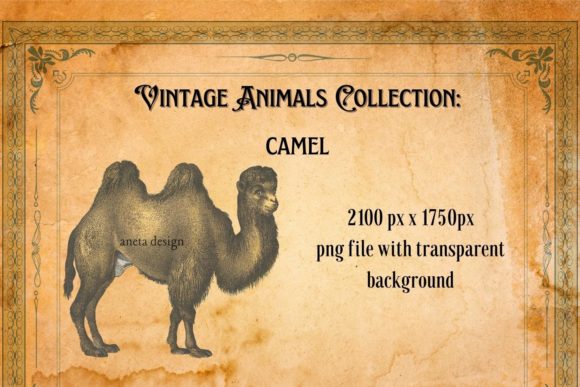
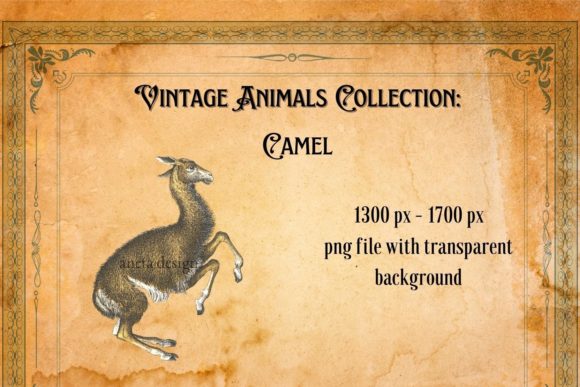
In the realm of modern typography and design assets, there is a distinct shift back toward organic, hand-drawn elements. While sleek sans serif fonts and clean vector graphics have their place, they often lack the warmth and personality found in historical artwork. This is where the Vintage Funny Camel Illustration steps in. Sourced from an old Polish children's book, this specific piece of clipart is not just a digital file; it is a fragment of history, preserved and prepared for high-quality printing. For designers, marketers, and crafters, this asset offers a unique blend of whimsy and authenticity that is difficult to replicate with modern digital tools.
The Visual Character and Appeal
The primary strength of the Vintage Funny Camel Illustration lies in its distinct personality. Unlike the rigid, often sterile aesthetics of modern vector art, this illustration possesses the textured quality of traditional printmaking. The lines are likely slightly imperfect, carrying the weight of the artist's hand and the printing press used decades ago. This "human" element is crucial for creating designs that resonate emotionally with an audience.
Visually, the character is described as "funny," suggesting a playful, approachable demeanor. In the context of branding and design, humor is a powerful tool for disarming an audience and making a message memorable. The camel likely features exaggerated proportions or expressive features common in mid-century children's literature, a style that aligns perfectly with the current resurgence of retro aesthetics in logo design and packaging.
Because the file is a high-resolution PNG (300dpi) with a transparent background, it functions as a versatile design asset. It can be layered over complex textures, placed atop solid color blocks, or integrated into typographic layouts without the hassle of removing white backgrounds. This technical preparation makes it a premium asset for professional use, distinguishing it from low-quality scans often found online.
Strategic Applications for Brand Identity and Marketing
For small business owners and entrepreneurs, the Vintage Funny Camel Illustration offers a cost-effective way to inject personality into a brand identity. In a market saturated with generic stock photography and overused vector icons, this illustration can serve as a unique brand mascot. It works exceptionally well for brands that want to project an image of heritage, craftsmanship, or playfulness.
Product and Packaging Design
In the world of packaging design, shelf appeal is everything. This illustration is ideal for artisanal products, organic goods, or specialty items that want to evoke a "homemade" or "heritage" feel. Imagine this camel on a label for a spice blend, a craft beer, or a specialty tea. The vintage style implies tradition and quality, suggesting the product has a story behind it.
Merchandise and Physical Goods
The creator notes that this asset is perfect for making gifts for teachers, such as mugs or t-shirts. However, the application goes much further. For print-on-demand businesses or Etsy shop owners, this illustration is perfect for tote bags, greeting cards, and stationery. The Vintage Funny Camel Illustration acts as a focal point that requires minimal additional design work to look professional. Because it is a standalone image rather than a font file, it can be scaled and placed directly onto merchandise, saving valuable production time.
Digital Presence and Content Creation
Bloggers and content creators often struggle to find consistent imagery that doesn't look like standard stock photos. This camel can serve as a recurring character or mascot in a blog's header, social media graphics, or newsletter headers. It adds a layer of whimsy that can increase engagement. For instance, a travel blogger could use the camel to signify "off the beaten path" adventures, while a parenting blogger might use it to reference the playful nature of childhood education.
Design Principles: Integrating Vintage Assets into Modern Layouts
Using a Vintage Funny Camel Illustration effectively requires a bit of design strategy. The goal is to create a contrast that highlights the charm of the asset without making the design look dated or cluttered.
Font Pairing and Typography
When incorporating this illustration, font pairing is critical. To maintain a professional brand identity, avoid pairing the camel with other overly decorative or "novelty" fonts. Instead, let the illustration be the star. Pair it with a clean, modern sans serif font for body text to ensure readability. For headlines, a sturdy serif font or a bold slab serif can complement the vintage vibe while maintaining authority. This balance between a creative font choice for accents and a highly legible font for content is a hallmark of effective editorial design.
Color Palette and Texture
Consider the color palette carefully. While the illustration works on any background due to its transparency, it looks best against muted, earthy tones or classic pastels that reflect the era of the original book. Avoid neon or hyper-saturated digital colors, which can clash with the organic nature of the illustration. If you are working on web design, consider using the camel as a watermark or a subtle background element to add texture without overwhelming the user interface.
Practical Guide to Usage and Licensing
For designers and entrepreneurs, understanding the utility of the asset is just as important as its aesthetic. The Vintage Funny Camel Illustration is described as a premium resource, prepared carefully for printing. This implies a level of quality assurance that is vital for commercial projects.
- Resolution and Scalability: As a 300dpi PNG, this file is print-ready. It can be used for small stickers or larger posters without immediate pixelation, though very large format printing (like banners) may require some upscaling techniques or viewing from a distance.
- Commercial Use: The description highlights its use for gifts and merchandise. This suggests the asset is intended for commercial application. However, designers should always review the specific licensing terms provided by the creator to ensure compliance, particularly if mass-producing items for retail.
- Workflow Efficiency: Because the background is already removed, this saves significant time in Photoshop or Illustrator. For a busy agency or a solo entrepreneur, this efficiency is a tangible benefit. It allows the designer to focus on layout and composition rather than tedious masking and clipping paths.
Newsletter and Community Value
The creator invites users to join a newsletter for weekly freebies. For designers constantly building their library of design assets, this is a valuable resource. Subscribing to sources that provide curated, vintage-style assets can streamline the creative process, offering a steady stream of inspiration and usable graphics for future projects. It connects the user to a community of creators who value the same aesthetic qualities.
Conclusion: The Timeless Value of Whimsy
The Vintage Funny Camel Illustration