Rediscovering Charm with the Vintage Illustration of Camel
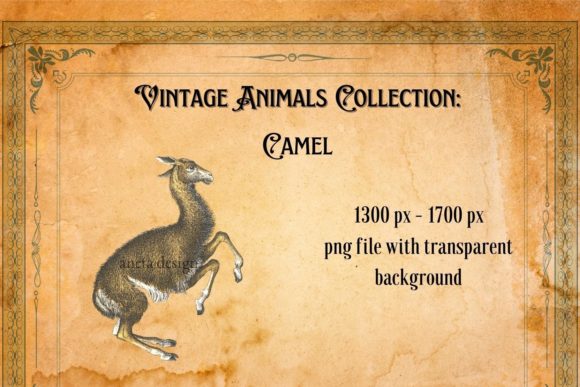
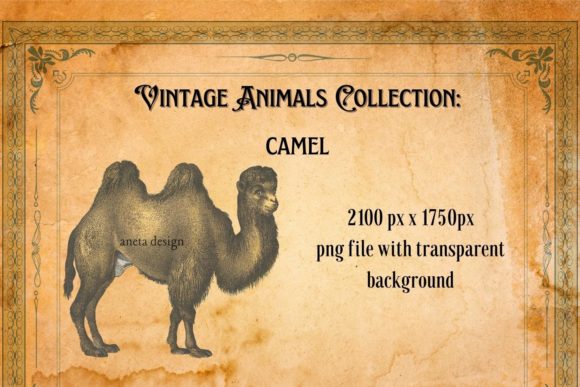
In an era dominated by sleek gradients and minimalist vector graphics, there is a growing hunger for textures that feel authentic. We are seeing a distinct shift in modern typography and graphic design where "perfect" is no longer the goal; instead, designers are seeking character. This is where the Vintage Illustration of Camel finds its place. Sourced from an old Polish children’s book, this asset is not just a random graphic; it is a piece of history. Unlike standard stock imagery, this illustration carries the warmth of traditional print methods. It feels tactile. You can almost smell the old paper and ink when you look at the linework. For the designer or entrepreneur looking to inject a sense of nostalgia and storytelling into their work, this camel offers a unique solution that standard clipart cannot match.
The Visual DNA: Texture and Authenticity
What makes this specific illustration stand out in a sea of design assets? It comes down to the execution. The description notes that it was "prepared carefully for printing," which is crucial. We aren't dealing with a low-resolution scan or a rough sketch; we are looking at a clean, high-fidelity reproduction of vintage artistry. The visual style likely relies on cross-hatching or woodcut techniques common in mid-century children's literature, giving it a distinct personality.
Because the file is provided as a 300dpi PNG with a transparent background, it bridges the gap between vintage aesthetic and modern utility. You get the organic, imperfect edges of a hand-drawn animal without the headache of removing backgrounds in Photoshop. This transparency allows the camel to sit comfortably over busy backgrounds, textured papers, or solid color blocks. It acts as a versatile design asset that respects the integrity of the original artwork while fitting seamlessly into a digital workflow.
Strategic Applications for Modern Brands
As a creative professional, understanding where to deploy an asset like the Vintage Illustration of Camel is just as important as the asset itself. Its aesthetic is niche, but that niche is powerful. It speaks to heritage, exploration, endurance, and whimsy. Here is how you can leverage this across various mediums to build a stronger brand identity.
Tangible Products and Gift Design
The original description highlights its utility for teacher gifts, such as mugs and t-shirts, and this is a massive market. For print-on-demand businesses, this illustration is gold. Think beyond the mug, though. Imagine this camel on a tote bag for a bookstore, a label for an artisanal coffee brand, or packaging for a travel journal. Because it is a premium font style asset (in terms of quality preparation), it elevates the perceived value of the physical product. It transforms a generic item into a curated piece of merchandise.
Digital Presence and Editorial Design
In the digital space, this illustration can break the monotony of corporate web design. It works exceptionally well for travel blogs, history podcasts, or educational platforms. In editorial design, such as a digital magazine or a PDF lead magnet, the camel can serve as a spot illustration to break up large blocks of text. It aids in visual hierarchy, drawing the reader’s eye and giving them a mental break before they continue to the next section.
Social Media and Marketing
On platforms like Instagram or Pinterest, standing out is difficult. Using vintage illustration is a distinct stylistic choice that creates consistency. You could use this camel as a recurring mascot or a thematic element in your social media graphics. It pairs beautifully with earthy tones, serif typography, and textured overlays. It helps in creating a cohesive aesthetic that signals to your audience that you value quality and storytelling over generic trends.
Integrating the Asset into Your Design System
To get the most out of the Vintage Illustration of Camel, you need to treat it like a character in your design story, not just a decoration. Here are practical considerations for integration:
- Font Pairing: Because the illustration has a vintage, hand-drawn feel, it pairs best with typefaces that complement that energy without competing. A sturdy serif font for headlines works well, suggesting reliability. Alternatively, a clean sans serif font can create a nice "old meets new" contrast. Avoid overly complex script fonts or handwritten fonts that might clash with the illustration's detail.
- Color Palette: While the PNG is likely black and white (or sepia), don't be afraid to apply color overlays to match your brand identity. Muted pastels or rich earth tones usually work best with vintage styles.
- Scalability: Even though it is 300dpi, remember that raster images have limits. Test the illustration at the size you intend to use it. For packaging design or large logo design elements, ensure the resolution holds up, or consider using it as a texture rather than the main focal point if it gets too large.
The "Aneta Design" Philosophy: Community and Quality
One aspect that stands out about this specific offering is the human element behind it. The creators, Aneta and Filip, mention that they "won't make it without you." This is the heartbeat of the independent creative economy. When you purchase and use the Vintage Illustration of Camel, you are supporting small business owners who are curating and preserving art. This is a stark contrast to purchasing from faceless stock agencies.
Furthermore, the invitation to join their newsletter for weekly freebies suggests a commitment to providing ongoing value. For designers and marketers constantly looking for fresh design assets, having a curated source of vintage graphics is invaluable. It saves hours of searching through public domain archives and ensures that what you are using is commercially viable and high-quality.
Final Thoughts on Utilizing Vintage Elements
Using a Vintage Illustration of Camel is more than just adding a picture to a layout; it is a design strategy. It is about invoking a feeling of nostalgia, warmth, and reliability. In a world of AI-generated art and instant gratification, hand-curated vintage assets offer a sense of permanence. Whether you are designing a wedding invitation, branding a new startup, or creating a line of merchandise, this asset provides a versatile foundation. It reminds us that good design often looks back to move forward.