Rediscovering Classic Charm: The Vintage Hare Illustration
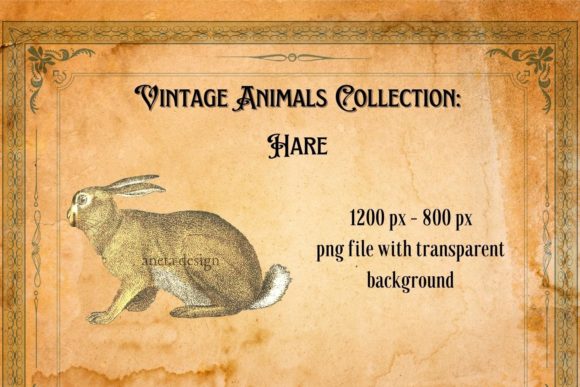
In a digital landscape saturated with generic vectors and flat minimalism, finding a design asset with genuine soul can transform a project from forgettable to fantastic. The Vintage Hare Illustration is exactly that kind of find. It isn't just a picture of a rabbit; it is a portal to a specific era of design, harkening back to the intricate, hand-drawn aesthetics found in mid-century European children's literature. Sourced from an old Polish book on animals, this clipart offers a level of detail and character that modern digital tools often struggle to replicate.
What sets this illustration apart is its "pencil-on-paper" authenticity. You can see the texture in the fur, the gentle curve of the ears, and the slightly whimsical expression that defines classic storybook art. It carries a warmth and nostalgia that feels organic rather than manufactured. For designers and creators, this specific style—often bridging the gap between realistic shading and illustrative charm—provides a versatile foundation for projects that need to feel "human" and approachable.
Where Nostalgia Meets Modern Application
Understanding the visual weight of the Vintage Hare Illustration is key to using it effectively. Because it carries a heritage aesthetic, it pairs exceptionally well with certain types of projects. It is not just a "cute bunny"; it is a piece of editorial history. This makes it a powerful tool for specific branding needs where storytelling is central to the identity.
Here are several practical ways to leverage this asset across different mediums:
- Editorial & Publishing Design: If you are working on a book cover, a magazine layout, or a blog header that focuses on nature, folklore, or classic storytelling, this illustration acts as a perfect focal point. It bridges the gap between text and imagery, offering a visual anchor that readers instinctively trust.
- Physical Merchandise & Craft: The description highlights its utility for gifts like mugs and t-shirts. In the world of Print-on-Demand (POD), the transparent background is crucial. It allows the illustration to be placed onto dark ceramics or textured fabrics without the hassle of complex masking. It is ideal for tote bags, greeting cards, and stationery sets.
- Brand Identity for Artisans: For small business owners selling handmade goods, organic products, or vintage wares, this hare can become a mascot. It signals to customers that the brand values quality, tradition, and a slower pace of life. It works wonderfully as a wax seal stamp design or a packaging label element.
- Digital Content Creation: In the realm of social media graphics, consistency is king. Using a cohesive illustration style helps build brand recognition. This vintage style works particularly well for "slow living" influencers, gardeners, or educators looking to add a touch of whimsy to their digital presence.
Technical Precision for Professional Results
A beautiful drawing is useless if it falls apart in the final output. One of the most significant advantages of this specific asset is its technical preparation. The listing notes that the file is a 300dpi PNG. For those not versed in print specifications, this is the gold standard for high-quality printing.
While 72dpi is sufficient for web screens, 300dpi ensures that the fine lines and shading of the hare remain crisp and clear when printed on physical materials. Whether you are enlarging the image for a poster or shrinking it for a business card, the resolution supports that flexibility. Furthermore, the transparent background is a massive time-saver in the workflow. Instead of spending hours manually clipping paths in Photoshop or Illustrator, you can drag and drop this asset directly into your composition.
When integrating the Vintage Hare Illustration into your design system, consider the surrounding elements. Because the illustration is detailed and likely monochromatic (black and white or sepia), it pairs best with:
- Serif Fonts: Typefaces with small feet (like Garamond or Baskerville) complement the historical feel of the illustration, creating a cohesive "classic" vibe.
- Script or Handwritten Fonts: To lean into the whimsical, storybook nature of the hare, a flowing script font can add elegance, provided it remains legible.
- Simple Sans Serifs: If you want the illustration to be the star, pair it with a clean, modern sans-serif. The contrast between the detailed vintage art and the clean modern type creates a dynamic visual hierarchy that feels fresh yet grounded.
Building a Cohesive Visual Narrative
Design is ultimately about communication. When you choose to use a Vintage Hare Illustration, you are making a statement about the personality of your project. You are suggesting that there is a story to be told, a history to be respected, or a sense of wonder to be shared. It moves your design away from the sterile efficiency of corporate graphics and toward something more human.
For the entrepreneur or crafter, this asset is an investment in versatility. It can serve as a logo for a small bakery, a watermark for a photography studio, or a decorative element in a wedding invitation suite. Its adaptability is its strength.
By incorporating this carefully restored piece of history into your modern workflow, you gain access to a level of artistry that adds instant credibility and charm to your work. It is a reminder that sometimes, the best design inspiration comes from looking back at the classics.