Rediscovering Charm: The Enduring Appeal of Vintage Deer Illustration
In a digital landscape saturated with sleek gradients and minimalist vectors, there is a growing hunger for texture, history, and hand-crafted imperfection. For designers, marketers, and creative entrepreneurs, the challenge lies in finding assets that bridge the gap between nostalgia and modern usability. This is where the Vintage Deer Illustration enters the conversation. It is not merely a piece of clipart; it is a fragment of history, carefully extracted from an old Polish children’s book. This specific origin story gives the asset a distinct personality that cannot be replicated by modern software algorithms. It carries the weight of traditional illustration techniques, offering a warmth and authenticity that resonates deeply with audiences ranging from parents to vintage enthusiasts.
The Aesthetic: More Than Just a Drawing
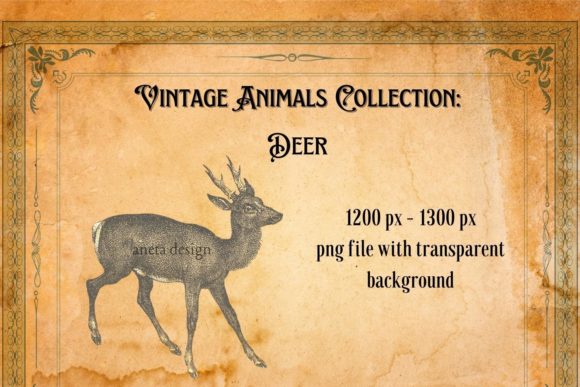
When evaluating design assets, visual characteristics are paramount. The Vintage Deer Illustration possesses a delicate, cross-hatched style typical of mid-20th-century book printing. Unlike the flat, solid colors of modern vector art, this illustration likely features varying line weights and organic textures that suggest the movement of fur and the weight of the animal. This level of detail creates a sense of realism that is approachable rather than photorealistic.
The "personality" of this piece is gentle, whimsical, and educational. It evokes the feeling of a storybook bedtime or a walk through an autumn forest. For a brand strategist or content creator, this visual language is invaluable. It communicates safety, tradition, and nature without a single word. Whether you are a blogger looking to add a header image to a post about sustainable living or a crafter designing a nursery print, the visual integrity of this deer illustration elevates the final product. It serves as a perfect counterpoint to modern typography, allowing you to pair it with a clean sans-serif font to create a balanced, contemporary design that still feels grounded.
Practical Applications for Modern Creators
The versatility of the Vintage Deer Illustration makes it a powerhouse asset for various projects. Because the file is provided as a high-resolution PNG with a transparent background, it integrates seamlessly into complex layouts without the hassle of masking or clipping paths. Here is how different professionals can leverage this asset:
- Small Business Owners & Product Design: This illustration is perfect for physical goods. Imagine the design on a ceramic mug, a tote bag, or a t-shirt. The high-contrast nature of vintage line art ensures that it prints cleanly on both light and dark fabrics, provided the color is inverted for the latter. It is an ideal choice for Etsy sellers specializing in woodland or rustic themes.
- Marketing & Branding: For brands aiming to establish an identity rooted in nature, sustainability, or heritage, this deer serves as an excellent logo element or secondary brand mark. It can be used on business cards, letterheads, or packaging to convey a sense of premium quality and care.
- Digital & Web Design: In the realm of web design, this asset can break up text-heavy pages, serving as a captivating visual anchor. Bloggers and content creators can use it in social media graphics to stop the scroll, offering a visual break from the standard stock photography found on Instagram or Pinterest.
- Stationery & Events: The illustration is a standout choice for wedding invitations (especially woodland or winter themes), greeting cards, and gift tags. Its "prepared for printing" quality ensures that the lines remain crisp even when scaled.
Influence on Brand Perception and Audience Engagement
Visual assets do more than decorate; they define how a brand is perceived. Utilizing a high-quality, vintage illustration signals to your audience that you value craftsmanship and attention to detail. In the world of brand identity, consistency is key. Using a distinctive asset like the Vintage Deer Illustration across multiple touchpoints—from your website header to your email newsletter—creates a cohesive visual language that aids in brand recognition.
Furthermore, this style of illustration triggers an emotional response. Nostalgia is a powerful marketing tool. When a viewer sees an image that reminds them of childhood books or a simpler time, they are more likely to engage with the content. For entrepreneurs, this emotional connection can translate into higher engagement rates and increased trust. It moves a brand from being purely transactional to feeling relational and human.
Design Strategy: Integrating the Asset
To maximize the impact of this illustration, consider the context of its use. If you are using it within editorial design, ensure there is ample white space (or negative space) surrounding the deer to let the details breathe. The intricate line work can become muddy if placed against a noisy or highly textured background.
Regarding font pairing, the vintage nature of the deer calls for typography that complements rather than competes. A clean, geometric sans-serif font (like Helvetica or Futura) provides a modern contrast that makes the illustration pop. Alternatively, a classic serif font (like Garamond or Times) can lean into the heritage aesthetic for a more traditional look. Avoid overly decorative script fonts that might clash with the illustration’s detailed linework.
Finally, always consider the technical aspects of your project. Since this is a raster file (PNG) at 300dpi, it is optimized for print but should be used judiciously in web environments to ensure fast loading times—perhaps optimized for the web without losing the essential crispness of the lines. By treating this Vintage Deer Illustration not just as a picture, but as a strategic component of your design system, you can create work that feels both professional and deeply personal.